

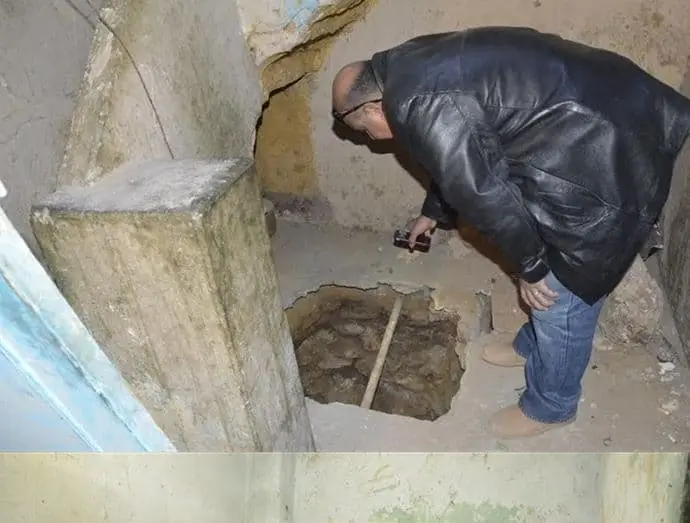
Countless archaeological missions tried finding the road that leads to the Great Pyramid of Giza but all searches ended in failure, until a local resident living near the Giza Plateau, made one of the
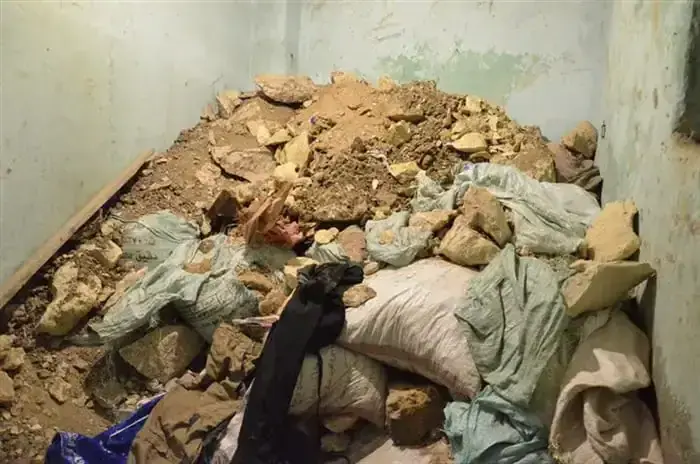
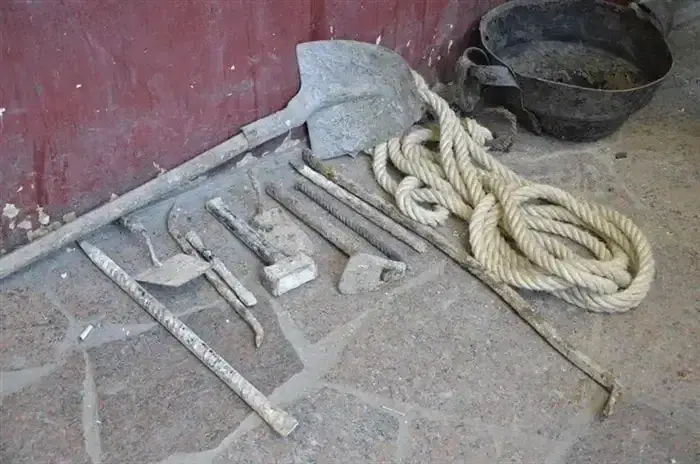
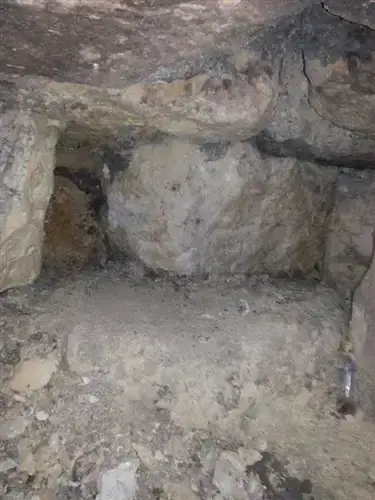
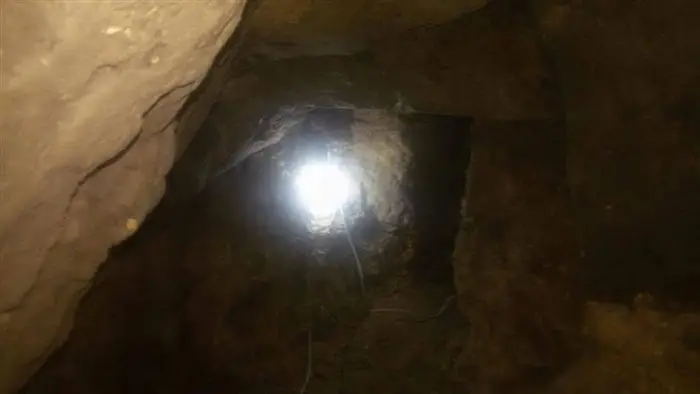
Countless archaeological missions tried finding the road that leads to the Great Pyramid of Giza but all searches ended in failure, until a local resident living near the Giza Plateau, made one of the most important discoveries in the last decade. During an illegal excavation beneath his home he discovered a tunnel leading to the Pyramid of Khufu, the largest of the three pyramids in Giza. According to the news report released by Ahram.org and Albawaba News, the discovery was made thanks to a resident, living near the pyramids, while conducting an illegal drilling 10 meters deep beneath his home. The individual fled the scene shortly after. Archaeologists observed that the walls of this incredible tunnel that leads to one of the most important landmarks on our planet; is actually made of large stone blocks. Colonel Walid el-Sharkawy, Head of Detectives of Giza Antiquities, said that the charlatan was digging for months under his home near the pyramids where it is forbidden to dig or construct any building. The archaeological complex where the Great Pyramid had a walkway connecting the gigantic tomb to the Temple of Cheops. The finding suggests that this temple located near the Nile River lies buried beneath a small village, in close proximity to the pyramids of Giza. The discovery of this secret corridor could be categorized as one of the most important discoveries directly connected with the Great Pyramid of Giza; Archaeologists hope to find out detailed information regarding the purpose of the tunnel and the connected areas. Herodotus a Greek historian who was born in Halicarnassus, Caria modern-day, Turkey, widely referred to as "The Father of History"; describes the mentioned causeway in detail, having approximately a kilometer in length;
There passed ten years while the causeway was made by which they drew the stones, which causeway they built, and it is a work not much less, as it appears to me, than the pyramid; for the length of it is five furlongs and the breadth ten fathoms and the height, where it is highest, eight fathoms, and it is made of stone smoothed and with figures carved upon it. For this, they said, the ten years were spent, and for the underground chambers on the hill upon which the pyramids stand - Herodotus: Second book of the Histories.
 Ancient Egypt
Evidence of Ancient Advanced Technology: The Great Pyramid of Giza
Ancient Egyptian History has captured the interest of millions of people around the world. There is something about the land of the Pharaohs that makes it magical and profound at the same time. The Py
 Ancient Egypt
An Electromagnetic Sphere was located on top of the Great Pyramid of Giza
What do Nikola Tesla and the Great Pyramid of Giza have in common? Well more than you would have thought actually. Is it possible that the Great Pyramid of Giza was in fact a GIANT energy plant as som
 Ancient Egypt
Why did the Ancient Egyptians stop building pyramids?
The Egyptians stopped building their most prominent structures with the beginning of the New Kingdom, but why? What was the cause that led to the abandonment of the most incredible ancient structures